Is My Phone Actually Listening to Me?
📅 August 12, 2026 | ⏱ 6 min read

That ad that appeared right after you talked about pizza... coincidence or something more?
You've probably experienced this before. You're having a casual conversation with a friend about something random — say, hiking boots, a new restaurant, or a vacation destination. Then, just a few minutes later, you open your phone and see an ad for exactly that thing.
It feels creepy, right? Almost like your phone is eavesdropping on your private conversations.
So here's the big question: Is your phone actually listening to you?
The short answer is: Probably not — at least not in the way you think.
But the real explanation is even more interesting (and arguably more concerning). Let's break it down in plain English.
1. The Short Answer: No, Your Phone Isn't "Listening"
Here's the truth that might surprise you: your phone is not constantly recording your conversations.
If it were, several things would happen:
- Your battery would drain in a couple of hours
- Your data usage would spike massively
- Tech companies would face enormous legal trouble (wiretapping laws exist for a reason)
- Security researchers would have found and proven this years ago
Both Apple and Google have publicly stated that their voice assistants (Siri and Google Assistant) only start listening after you say the wake word — "Hey Siri" or "OK Google". And even then, they only record a few seconds of audio, process it, and then discard it.
"Your phone is not secretly recording your conversations. The technology exists, but it would be too obvious, too expensive, and too illegal for any major company to do it."
So if your phone isn't listening... then why do those ads feel so incredibly targeted?
2. The Real Culprit: You're Being Predicted, Not Heard
The reality is far more sophisticated than your phone simply "hearing" you. Here's what's actually happening:
What You Search, Type, and Click
Every search you make on Google, every YouTube video you watch, every website you visit, every product you hover over — all of that data is collected. This is called your digital footprint.
What You "Like" and Share
Your activity on social media (Facebook, Instagram, TikTok, X) tells advertisers exactly what you're interested in. Even how long you pause on a post is tracked.
Your Location
Your phone knows exactly where you are at all times (unless you turn it off). If you visit a sporting goods store, you'll start seeing sporting goods ads. If you walk past a restaurant, you might get a coupon for that restaurant later.
Your Contacts and Friends
If your friend searches for "best hiking boots", and you've been spending time with that friend, advertisers may assume you share similar interests. This is called social graph targeting.
Here's the scary part: all of this happens automatically. Algorithms analyze trillions of data points to predict what you might be interested in, often before you even realize it yourself.
🔍 Mind-blowing fact: Studies suggest that algorithms can predict your future interests with up to 70-80% accuracy based on your past behavior. That ad you saw? It wasn't because you said something. It was because the algorithm predicted you would say something — and it was right.
3. Why Does It Feel Like "Listening" Then?
If the explanation above is true, then why does it feel so personal?
There are two psychological reasons:
a) Confirmation Bias
You notice the ads that match your recent conversations because they stand out. But you completely ignore the hundreds of other ads you see daily that don't match anything you've talked about. Your brain focuses on the "hits" and forgets the "misses".
b) The Algorithm Knows You Better Than You Know Yourself
Sometimes, algorithms predict your interests so accurately that it feels supernatural. They know what you're likely to think about before you've even formed the thought. This is the result of processing massive amounts of data about you over years.
Think of it like a friend who knows you so well they can finish your sentences. It feels spooky — but it's not magic. It's just years of observation.
"Algorithms don't need to read your mind. They've already read your search history, your location, your clicks, and your timeline. They know what you'll want before you know you want it."
4. But Wait — What About the Microphone?
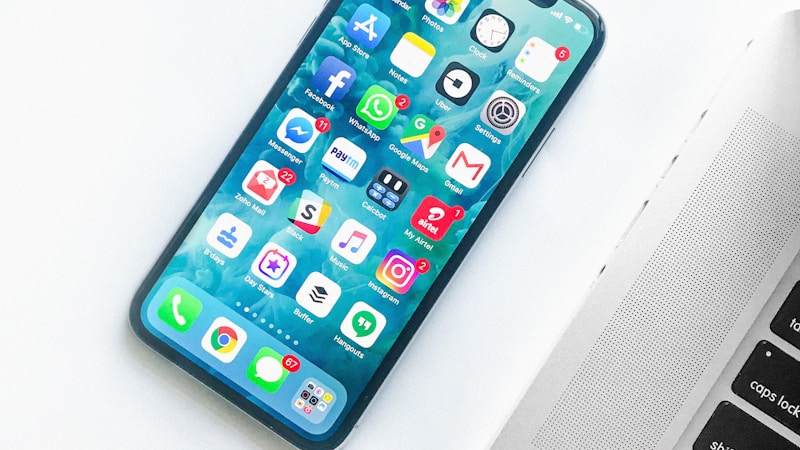
So far, I've said your phone isn't listening. But is there any evidence that it might be?
A few studies have tried to test this. One well-known experiment by a marketing firm in the UK claimed that ads appeared after "listening" to keywords. However, these studies were never replicated and were heavily criticized by security researchers.
That said, there are some legitimate cases where your phone uses the microphone:
- Voice assistants: Siri, Google Assistant, and Alexa only activate after the wake word.
- Video recording apps: They access the microphone when you're recording.
- Some third-party apps: Some apps (like games or social media) request microphone permission. Always check these permissions!
⚠️ Important: While major companies like Google and Apple are unlikely to secretly record you, some shady third-party apps might. Always check which apps have microphone permission and revoke it if you're not comfortable. Go to Settings → Privacy → Microphone (on Android) or Settings → Privacy → Microphone (on iOS) and review your permissions.
5. What Can You Do About It?

Even though your phone probably isn't "listening", you might still want to protect your privacy. Here are some simple steps you can take:
🔐 On Your Phone:
- Check Microphone Permissions: Go to Settings and review which apps have access to your microphone. Disable it for any app that doesn't absolutely need it.
- Turn Off "Hey Siri" / "OK Google": If you're uncomfortable with always-on listening, turn off the wake word activation in your settings.
- Limit Ad Tracking: On iPhone, go to Settings → Privacy → Tracking and disable "Allow Apps to Request to Track". On Android, go to Settings → Privacy → Ads and enable "Opt out of Ads Personalization".
- Review App Permissions Regularly: Apps can request access to your contacts, location, camera, and microphone. Review these every few months.
🌐 On Your Browser:
- Use a privacy-focused browser: Brave, Firefox (with uBlock Origin), or DuckDuckGo are good alternatives to Chrome.
- Clear your cookies: Cookies track you across websites. Clear them regularly.
- Use a VPN: A Virtual Private Network masks your IP address and makes it harder for advertisers to track your location.
🧠 In Your Mind:
- Be skeptical: Remember that 99% of the time, it's your behavior, not your voice, that's being tracked.
- Accept that you're being tracked: This doesn't mean giving up. It means being informed and making conscious choices about what data you share.
What the Experts Say
Here's a quick summary of what tech experts and security researchers agree on:
| Claim | Verdict |
|---|---|
| Your phone records everything you say | False — It would drain battery, data, and violate wiretap laws |
| Google/Apple use your voice for ads | False — Both companies have stated they don't use recordings for ad targeting |
| Advertisers predict your interests from your behavior | True — This is exactly how modern ad targeting works |
| Third-party apps might misuse microphone access | True — Always check permissions |
| You can reduce ad tracking | True — By adjusting settings (see above) |
Final Thought: It's Not Listening, But It's Watching

So here's the bottom line:
Your phone probably isn't secretly recording your conversations. The evidence simply doesn't support it, and the logistics (battery life, data usage, legal risks) make it impractical for major companies.
But your phone is tracking your behavior — every click, every search, every location, every "like". And that is more powerful than any eavesdropping device.
The good news is that you have more control than you might think. By being aware of how data is collected and using the privacy settings available to you, you can reduce the creepiness factor significantly.
So the next time an ad appears that feels too specific, remember: it's not your microphone that gave you away. It's your digital footprint — and that's something you can manage.
📱 Have You Experienced This?
Have you ever had a conversation and then seen an ad for the same thing? Or do you think it's all a coincidence?
Share your story in the comments below — I'd love to hear what you think!
👇 Scroll down and leave a reply!
📬 Found this helpful? Share it with someone who's worried about their phone spying on them.
Computer Educator — Making technology simple and understandable for everyone.


No comments:
Post a Comment